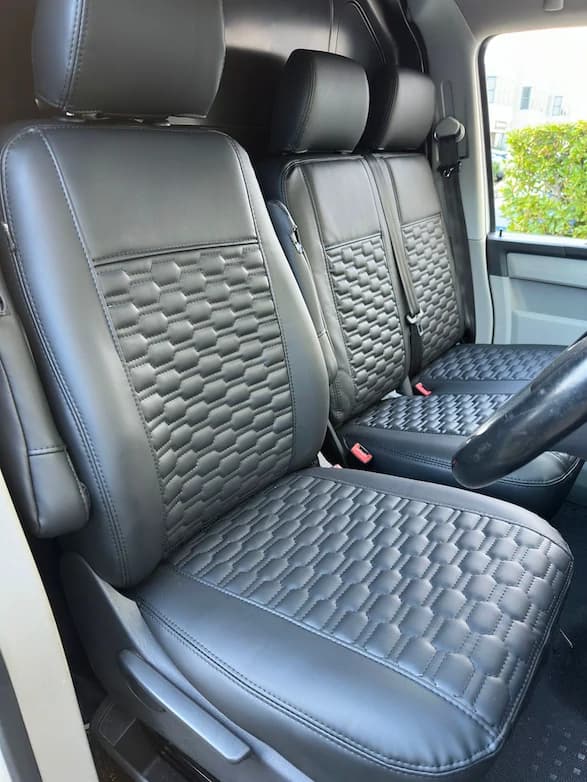
How to Clean Leather Seat Covers Properly
Knowing how to clean leather seat covers properly is the easiest way to keep your car interior looking premium for years. Whether your vehicle has factory leather, custom eco-leather covers or a mix of eco-leather and Alcantara, regular care prevents dirt, shine, cracking, odours and premature wear.
The good news is that you do not need professional detailing every week. A simple routine with the right tools is enough for most drivers. The key is to avoid harsh household chemicals and clean the seats before dirt becomes embedded in the surface or stitching.
This guide explains a safe cleaning routine for leather and eco-leather seat covers.
Why Seat Cover Maintenance Matters
Car seats deal with friction every day. Clothing, dust, sweat, food, drink, sunlight and temperature changes all affect the surface. Even high-quality materials last longer when they are cleaned gently and protected from build-up.
Regular maintenance helps:
- Keep the material flexible and comfortable.
- Remove abrasive dust before it wears the surface.
- Protect stitching and seams from trapped dirt.
- Reduce odours from spills and everyday use.
- Preserve the clean look that helps resale value.
If you have custom-fit seat covers protecting original upholstery, maintenance also helps the covers do their job for longer.
Step 1: Vacuum Before You Wipe
Always start with dry cleaning. If you wipe dusty seats straight away, small particles can drag across the surface like fine grit. That is especially important around seams, stitching lines and perforated sections.
Use a vacuum with a soft brush attachment. Move slowly around the seat base, backrest, side bolsters, headrests and the gaps where crumbs collect. Do not press hard on stitching or perforations. The goal is to lift loose dirt, not force debris deeper into the seat.
For family cars, vans and pet-friendly interiors, this step makes the biggest difference because sand, crumbs and hair often hide in the seams.
Step 2: Use a Mild Leather or Interior Cleaner
Avoid dish soap, glass cleaner, bleach, alcohol-heavy sprays and strong all-purpose cleaners. They can dry out leather, dull the finish or damage protective coatings on eco-leather.
Use a cleaner made for leather, synthetic leather or automotive interiors. Apply it to a microfiber cloth or soft detailing brush rather than spraying the seat directly. This gives you more control and prevents excess liquid from sitting in seams.
Clean in small sections. Gently work the cleaner across the surface, then wipe away residue with a clean damp cloth. Finish with a dry microfiber towel.
Before using any product on the whole seat, test it on a hidden area first.
Step 3: Clean Stitching and Patterns Carefully
Diamond, honeycomb and classic stitching patterns look premium, but the grooves can hold dust and crumbs. Use a soft brush to loosen dirt along the stitching before wiping the surface.
Do not scrub aggressively. Hard scrubbing can pull at threads or polish the material unevenly. Light, repeated passes are safer than one heavy clean.
For quilted seat covers, pay attention to the edges of each stitched section. These areas collect dust because they sit slightly lower than the raised parts of the panel.
Step 4: Protect the Material After Cleaning
Leather and eco-leather benefit from protection, but the product must match the material. Natural leather may need a conditioner. Eco-leather usually needs a suitable protectant rather than a heavy oil-based conditioner.
Use a small amount and buff away any excess. The seat should feel clean and smooth, not greasy. A slippery finish attracts dust and can transfer onto clothing.
For daily drivers, a light protection routine every few months is usually enough. Vehicles used for work, pets or children may need more frequent cleaning, especially on the driver's bolster and seat base.
How Often Should You Clean Seat Covers?
For most cars, vacuum weekly and wipe the seats every two to four weeks. Clean spills as soon as possible. Do a deeper clean every three months or whenever the surface starts to look shiny, sticky or dull.
Light-coloured covers, such as cream, beige or white, should be wiped more often to prevent dye transfer from jeans or dark clothing. Sporty Alcantara centre panels need a gentler routine, which we cover in our Alcantara seat covers guide.
FAQ: Cleaning Leather Seat Covers
Can I use household cleaner on leather seat covers?
It is better not to. Many household cleaners are too strong for leather or eco-leather and can damage the finish over time.
How do I remove denim marks from light seat covers?
Clean the area early with a mild leather or interior cleaner and a microfiber cloth. Do not scrub harshly, because abrasion can make the mark worse.
Do eco-leather seat covers need conditioner?
Eco-leather usually needs gentle cleaning and a suitable protectant rather than a traditional leather conditioner. Always check the product label before applying it.
How do I keep stitching clean?
Vacuum seams with a soft brush attachment and gently loosen dirt with a soft detailing brush before wiping the surrounding material.
Summary
Cleaning leather seat covers is simple when you use the right routine: vacuum first, clean gently, protect the finish and deal with spills quickly. This keeps the interior comfortable, fresh and ready for daily use.
If your current seats are already worn or hard to clean, open our 3D Configurator and design custom seat covers that protect your car and make maintenance easier.